Debates often come with some degree of nervousness and uncertainty. Keeping a sense of healthy scepticism about the unknown is an entirely natural thing to do. Manipulators know they can weaponise tense debates and use them to undermine your ability to think clearly and rationally. Take a breath, you deserve a moment to clear your mind.
Debates often come with some degree of nervousness and uncertainty. Keeping a sense of healthy scepticism about the unknown is an entirely natural thing to do. Manipulators know they can weaponise tense debates and use them to undermine your ability to think clearly and rationally. Take a breath, you deserve a moment to clear your mind.
Your wellbeing matters, find more helpful resources here.
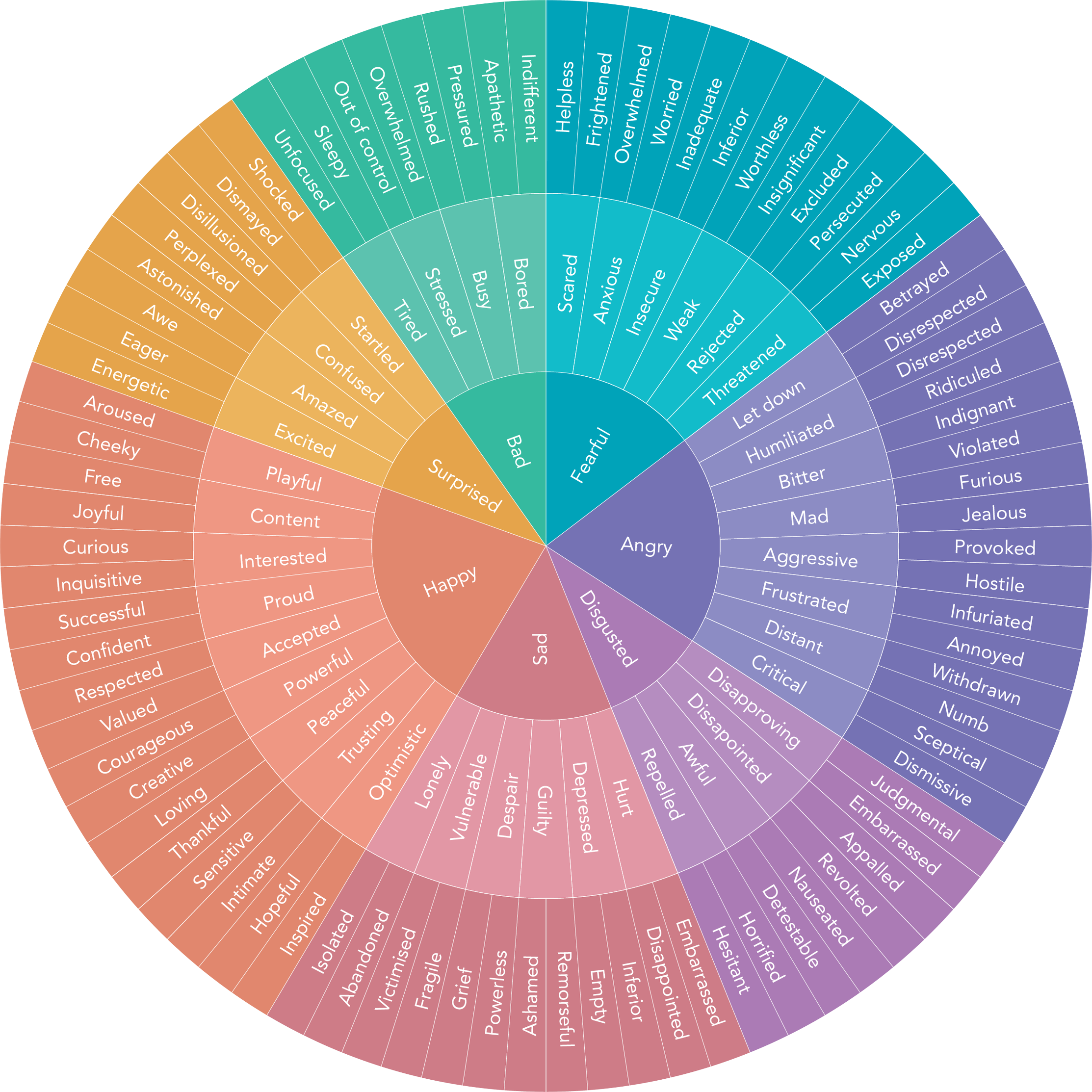
Despite striving for rationality, humans are emotional creatures. Our emotions can hijack us – sometimes in giant outbursts of anger, sometimes in a slow-burn of resentment or fear. Sometimes, outside manipulators can use our emotions – and, especially, the ones we don’t even realize are there – to influence how we think and act.
Understanding emotions is the first step to keeping your self-control and making your emotional brain work for you, and not the other way around. Imagine, for example, confusing “feeling annoyed” and “feeling disrespected” – they’re both versions of “feeling angry,” but they’ll lead you in very different directions. Or worse, what if someone convinced you that you should be angry or fearful when what you actually feel is sadness or despair?
Despite striving for rationality, humans are emotional creatures. Our emotions can hijack us – sometimes in giant outbursts of anger, sometimes in a slow-burn of resentment or fear. Sometimes, outside manipulators can use our emotions – and, especially, the ones we don’t even realize are there – to influence how we think and act.
Understanding emotions is the first step to keeping your self-control and making your emotional brain work for you, and not the other way around. Imagine, for example, confusing “feeling annoyed” and “feeling disrespected” – they’re both versions of “feeling angry,” but they’ll lead you in very different directions. Or worse, what if someone convinced you that you should be angry or fearful when what you actually feel is sadness or despair?
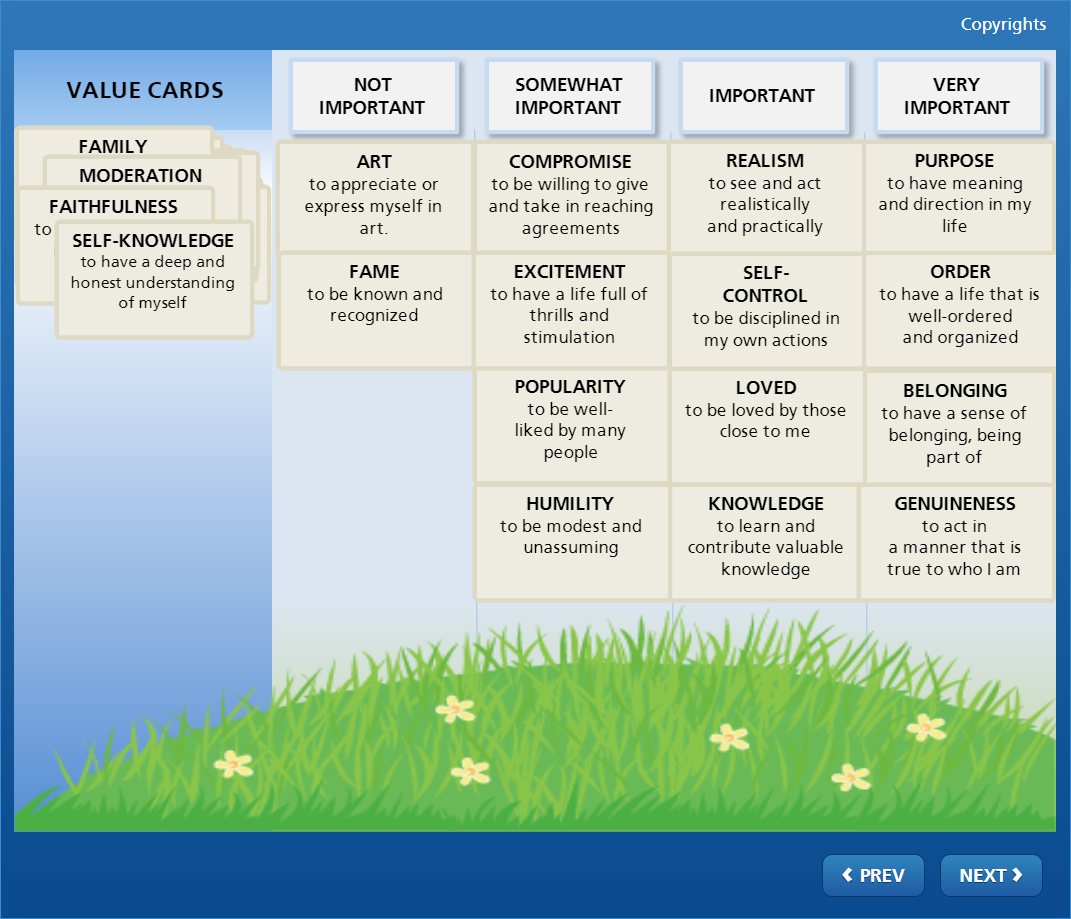
Your values are the bedrock of your life. Keeping a strong sense of your values means that you’ll be better able to weather life’s storms. On the other hand, if you lack a sense of your own values and principles, you lose a valuable source of guidance and stability. And without a strong sense of your values and where they come from, you might be surrendering control of your core values to influences you’re not even aware of.
Even though many people don’t take the time to do it, thinking through your own values can be a simple and straightforward process – and a simple step towards regaining control of your life and removing unwanted influences from your mind.
Your values are the bedrock of your life. Keeping a strong sense of your values means that you’ll be better able to weather life’s storms. On the other hand, if you lack a sense of your own values and principles, you lose a valuable source of guidance and stability. And without a strong sense of your values and where they come from, you might be surrendering control of your core values to influences you’re not even aware of.
Even though many people don’t take the time to do it, thinking through your own values can be a simple and straightforward process – and a simple step towards regaining control of your life and removing unwanted influences from your mind.